

The Wildebeest Migration Calendar helps travellers understand the annual movement of wildebeest across the Serengeti–Mara ecosystem and choose a suitable time for a safari in Kenya. This remarkable wildlife event takes place throughout the year as large herds move between Tanzania’s Serengeti National Park and Kenya’s Maasai Mara in search of fresh grazing and water. The famous Mara River crossings attract visitors from around the world, particularly during the dry season. However, the migration is much more than a river-crossing event. It includes the calving season in the southern Serengeti, the movement through the western and northern regions, and the herds’ eventual return south.
If you are planning a migration safari in Kenya, explore the safari packages offered by Kibokoni Safaris to help you plan your experience.
What Is the Great Wildebeest Migration?
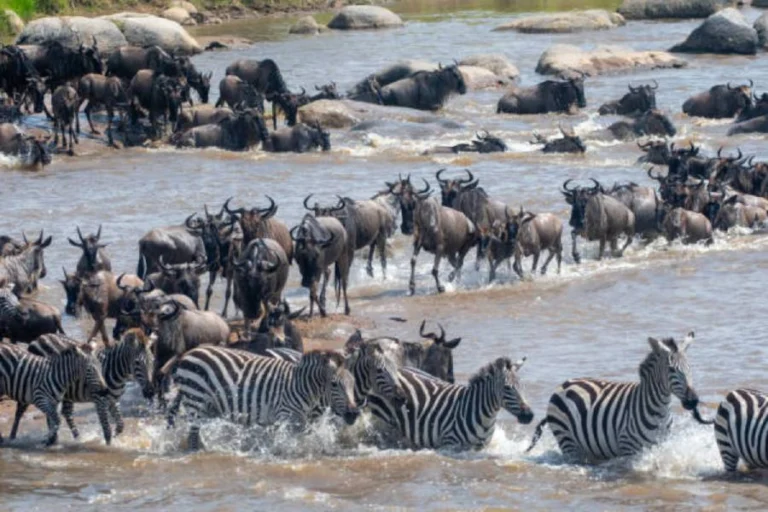
The Great Wildebeest Migration is the annual movement of approximately 1.3 million wildebeest across the Serengeti–Mara ecosystem. The herds move between Tanzania and Kenya, accompanied by large numbers of zebras and other grazing animals. The migration is not a single journey with fixed departure and arrival dates. Instead, it is a continuous natural cycle influenced by rainfall, water availability and the growth of fresh grass.
The movement takes place across several areas, including:
- Southern Serengeti: An important calving area where large herds gather early in the year.
- Western Serengeti: A seasonal grazing area along the herds’ northward movement.
- Northern Serengeti: An important region before some herds move towards the Maasai Mara.
- Maasai Mara: The Kenyan part of the ecosystem, where large herds gather during the dry season and may cross the Mara River.
The exact location of the animals changes throughout the year, making the migration a dynamic wildlife experience.
Why Do Wildebeest Migrate?
Wildebeest migrate mainly in search of fresh grazing and water. Their movement follows seasonal rainfall, which determines where grass grows and which areas can support large herds.
Three main factors influence their movement:
Fresh grazing: Wildebeest depend on grass for food. As grazing areas become dry or depleted, the herds move towards places with better vegetation.
Water availability: Reliable water sources are essential, particularly during dry periods. The herds move towards areas where water is more readily available.
Calving grounds: Female wildebeest gather on the nutrient-rich short-grass plains of the southern Serengeti to give birth. These areas provide suitable grazing for mothers and their young calves.
Since rainfall patterns change from year to year, the herds do not follow an exact timetable.
Where Does the Great Wildebeest Migration Take Place?
The Great Wildebeest Migration takes place across the Serengeti–Mara ecosystem, which covers parts of northern Tanzania and southwestern Kenya.
The migration route includes different landscapes and wildlife areas:
- Serengeti National Park, Tanzania: The main area of the migration, including the southern plains where calving takes place.
- Western Corridor, Tanzania: A seasonal route used by herds moving towards the northern Serengeti.
- Northern Serengeti, Tanzania: An important area for herds approaching the Mara River and the Kenyan border.
- Maasai Mara National Reserve, Kenya: A major dry-season grazing area where visitors may see large herds and Mara River crossings.
The animals move freely across the Kenya–Tanzania border as they follow suitable grazing conditions. The Maasai Mara is therefore an important destination for visitors hoping to experience the Kenyan part of the migration.
Wildebeest Migration Calendar: Month-by-Month Guide
The Wildebeest Migration Calendar provides a general guide to the movement of the herds throughout the year. The timing can change depending on rainfall and grazing conditions, but the following pattern is useful when planning a safari.
January to March: Calving Season in the Southern Serengeti
During the first months of the year, large herds gather on the short-grass plains of the southern Serengeti, particularly around the Ndutu area. This is the main calving period, when hundreds of thousands of wildebeest calves are born. The availability of nutritious grass supports nursing mothers and their young.
Visitors may see:
- Newborn wildebeest taking their first steps.
- Mothers nursing and protecting their calves.
- Large herds grazing across the open plains.
- Predators such as lions, cheetahs and hyenas hunting in the area.
This period offers an opportunity to observe the early stages of the migration cycle rather than the famous Mara River crossings.
April to May: Movement Towards the Western Serengeti
As the season progresses, the herds begin moving away from the southern plains towards the central and western Serengeti. Rainfall and the availability of fresh grazing influence their movement. The animals may spread across large areas as they travel, with zebras and gazelles sharing the grasslands. The landscape is often greener during this period, although rainfall can affect road conditions and safari activities.
June to July: Movement Through the Western and Northern Serengeti
As the dry season develops, the herds continue their movement through the Western Corridor and towards the northern Serengeti. The Grumeti River is an important feature along the western route, where some herds may attempt river crossings. Others continue north towards the Mara River. Some wildebeest begin reaching the Maasai Mara around this period, although their arrival varies from year to year.
Visitors may encounter large herds moving across the grasslands, with opportunities to observe wildlife activity along the migration route.
August to September: Mara River Crossing Season
August and September are generally among the most popular months for visitors hoping to witness the Mara River crossings. Large herds gather near the riverbanks before some animals attempt to cross into or out of the Maasai Mara. The crossings can involve thousands of wildebeest and zebras, although the size and frequency of each crossing vary.
Visitors may witness:
- Large herds gathering along the riverbanks.
- Wildebeest and zebras entering the water.
- Nile crocodiles waiting in the river.
- Animals swimming against the current.
- Herds climbing the opposite riverbank.
The Mara River crossings are unpredictable. Herds may gather for hours or even days before entering the water, and sometimes they approach the river before turning back.
October: Continued Migration Activity in the Maasai Mara
October can still offer opportunities to see wildebeest in the Maasai Mara. Some herds remain in Kenya while others gradually begin moving southwards. The timing depends on rainfall and the availability of fresh grazing along the return route. Visitors may still encounter large herds across the reserve, although their distribution can change throughout the month.
November to December: Movement Back Towards the Serengeti
As seasonal rains return to parts of the Serengeti, fresh grass begins to grow and the herds gradually move southwards. Many wildebeest leave the Maasai Mara and move through the northern Serengeti towards the central and southern plains. By December, large numbers are generally back in the southern Serengeti region as the next calving season approaches. This marks another stage in the annual migration cycle.
Wildebeest Migration Calendar: When Can You See Mara River Crossings?
The Wildebeest Migration Calendar can help you identify the periods when herds are more likely to be in the Maasai Mara.
August and September are generally strong months to consider if witnessing the Mara River crossings is your main goal. July and October can also offer opportunities, depending on the movement of the herds. However, there is no fixed crossing schedule. The timing and location of a crossing depend on several factors:
- The location and size of the herds.
- Availability of grazing on either side of the river.
- Rainfall and water levels.
- Conditions along the riverbanks.
- Movement and behaviour within the herd.
A large herd may gather near the river without crossing immediately. Some animals may enter the water while others wait or move to a different crossing point. No safari operator or guide can guarantee a crossing on a particular date or at a specific time.
What Happens During the Mara River Crossings?
The Mara River crossings are among the most dramatic moments of the Great Migration.
As wildebeest approach the river, they often gather along the banks. Some eventually enter the water, while others follow in large groups. Zebras may cross alongside them as they move towards the opposite bank.
During a crossing, visitors may observe:
- Wildebeest entering the river in large numbers.
- Zebras swimming alongside the herds.
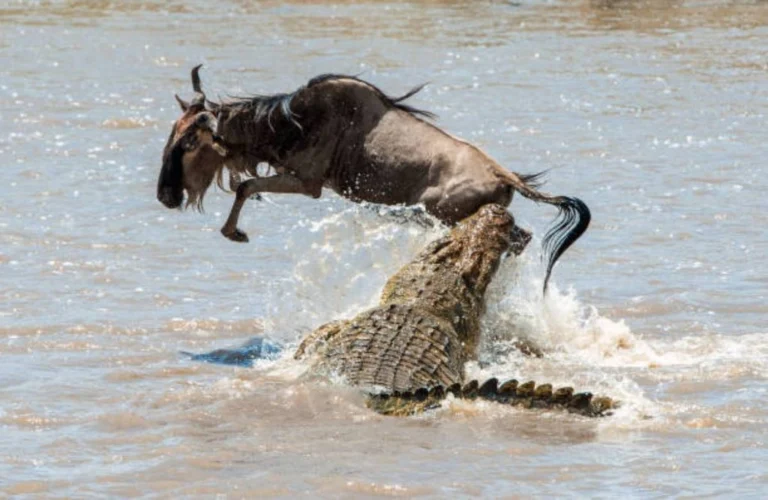
- Nile crocodiles waiting for opportunities to catch prey.
- Animals navigating strong currents.
- Herds climbing steep riverbanks after crossing.
The river presents natural dangers, including strong currents, steep banks and crocodiles. Some animals may become injured or drown during difficult crossings.
These are natural wildlife events, and visitors should observe them respectfully without attempting to influence the animals’ movement.
Which Animals Can You See During the Great Migration?
Although wildebeest are the main attraction, the migration supports a variety of wildlife across the Serengeti–Mara ecosystem.
Wildebeest: The main migrating animals, travelling in large herds across the grasslands in search of fresh grazing.
Zebras: Often travel alongside wildebeest and feed on different lengths of grass.
Thomson’s gazelles: Smaller antelopes commonly found across the grasslands, sharing the ecosystem with migrating herds.
Lions: Predators that hunt wildebeest, zebras and other animals throughout the migration route.
Cheetahs: Often found in open grasslands, where they use their speed to hunt smaller and young prey.
Spotted hyenas: Both hunters and scavengers that benefit from the seasonal abundance of prey.
Nile crocodiles: Found in the Mara River, where they may prey on animals attempting to cross.
The presence of predators and scavengers makes the migration an important part of the wider ecosystem.
How to Plan a Safari Using the Wildebeest Migration Calendar
Planning a safari around the migration involves more than choosing a month. Your accommodation, location and number of days in the reserve can influence the wildlife experience.
Consider the following when arranging your trip:
Choose accommodation in a suitable location
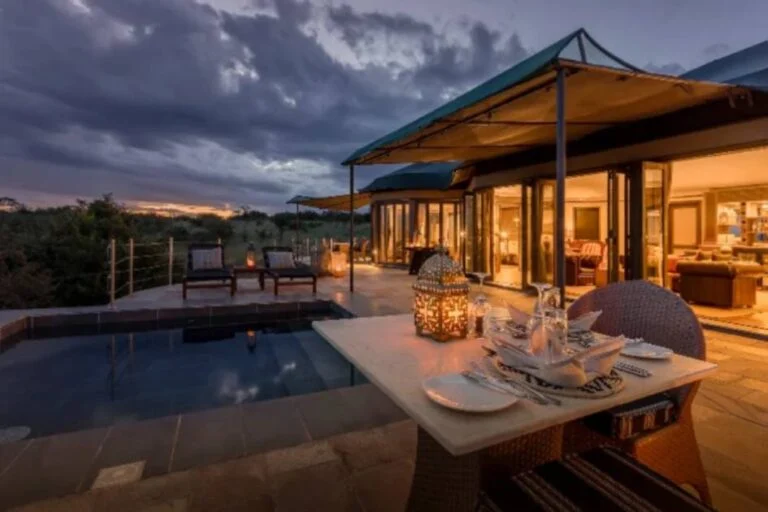
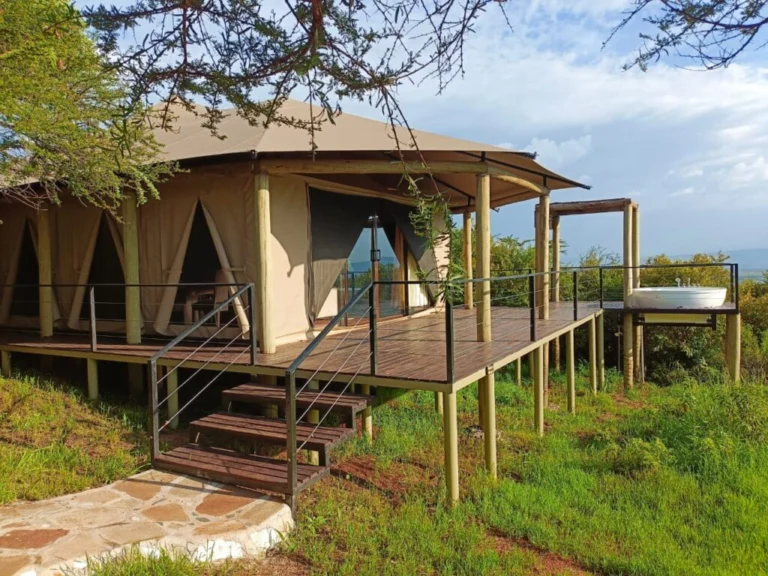
Select a camp or lodge with convenient access to the wildlife-viewing areas you hope to visit. Accommodation closer to the relevant migration areas can reduce the time spent travelling during game drives.
Allow enough time for game drives
A longer stay gives you more opportunities to follow the herds and observe wildlife activity. It does not guarantee a river crossing, but it allows greater flexibility.
Consider your transport options
Road safaris offer an opportunity to enjoy the scenery along the journey, while fly-in safaris can reduce travel time and provide access to selected camps and lodges.
Travel with an experienced guide
A knowledgeable safari guide understands animal behaviour and local routes. They can help you follow wildlife movement and make the most of your time in the reserve.
How Many Days Do You Need for a Migration Safari?
The ideal duration depends on your budget, travel arrangements and the wildlife experience you hope to enjoy. The Wildebeest Migration Calendar is also useful when deciding how many days to spend in the Maasai Mara.
For a Maasai Mara safari, consider:
- 3 days: Suitable for a short safari with several game drives.
- 4–5 days: Allows more flexibility to explore different wildlife-viewing areas and follow the herds.
- 6–7 days: Offers a more relaxed experience and additional opportunities to observe migration activity.
If witnessing a river crossing is your main objective, consider staying for several days rather than planning around a single game drive. Even an extended stay cannot guarantee a crossing.
How to Watch the Wildebeest Migration Responsibly
Responsible wildlife viewing helps protect the animals and their natural behaviour. When observing the herds, visitors should follow these guidelines:
- Stay inside your safari vehicle unless your guide has taken you to a designated area where getting out is permitted.
- Keep a respectful distance from the animals.
- Avoid shouting, making sudden noises or using flash photography.
- Do not block the animals’ routes towards the river.
- Follow your guide’s instructions.
- Avoid overcrowding river-crossing points with other vehicles.
Responsible viewing helps preserve the natural environment and allows other visitors to enjoy the experience without disturbing the wildlife.
Plan Your Great Wildebeest Migration Safari with Kibokoni Safaris
The Great Wildebeest Migration offers an opportunity to witness one of Africa’s remarkable wildlife movements. From the calving season in Tanzania to the large herds and possible Mara River crossings in Kenya, each stage is part of the annual Serengeti–Mara cycle. Use the Wildebeest Migration Calendar to choose a suitable travel period, keeping in mind that the movement of the herds depends on natural conditions and may change from year to year.
Kibokoni Safaris can help you plan a Maasai Mara safari based on your preferred travel period, accommodation and budget. Explore our safari packages or contact our team to start planning your migration experience.