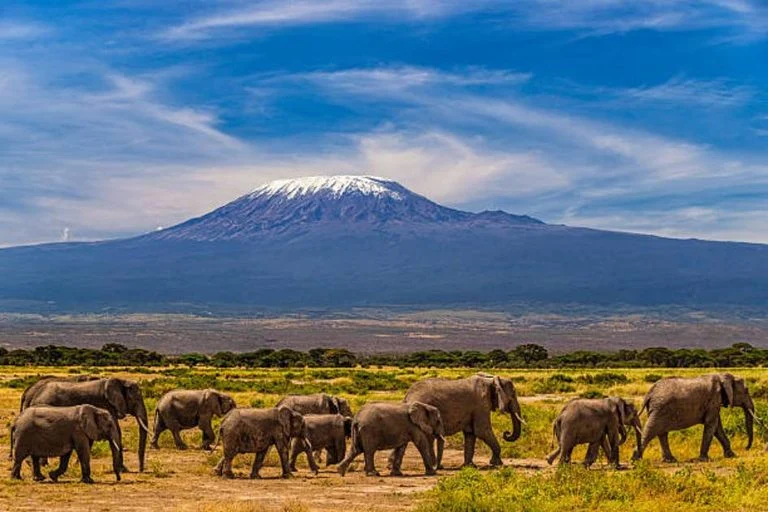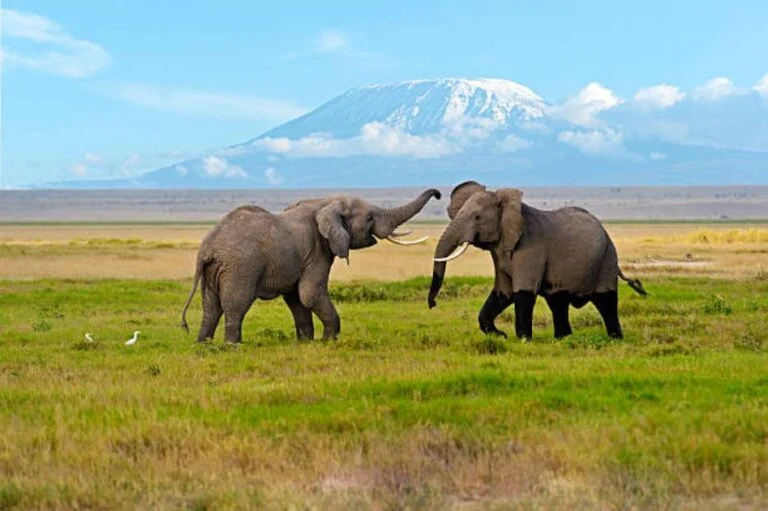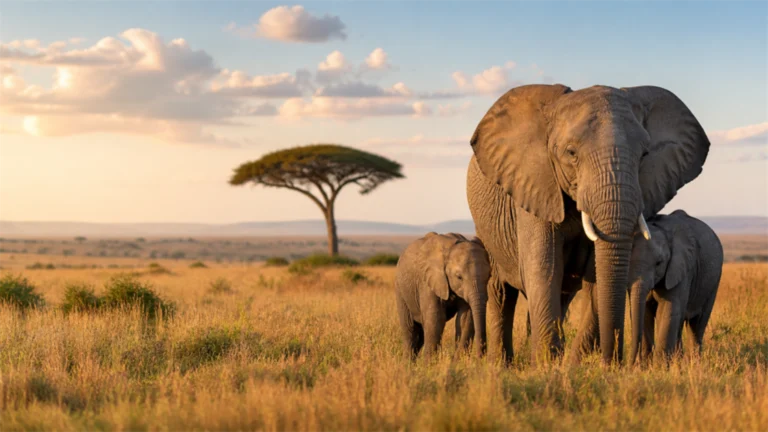


East Africa is home to many fascinating unique animals. Beyond the famous lions, elephants and giraffes, the region shelters rare species with remarkable features and unusual adaptations. These animals live in different habitats, including mountain forests, wetlands, dry grasslands and rocky landscapes. Some are difficult to spot in the wild, while others face serious threats to their survival. Learning about these species helps travelers appreciate East Africa’s wildlife, plan custom safaris and understand why conservation matters.
1. Mountain Bongo: A Rare Animal Found in Kenya
Where can you find it?
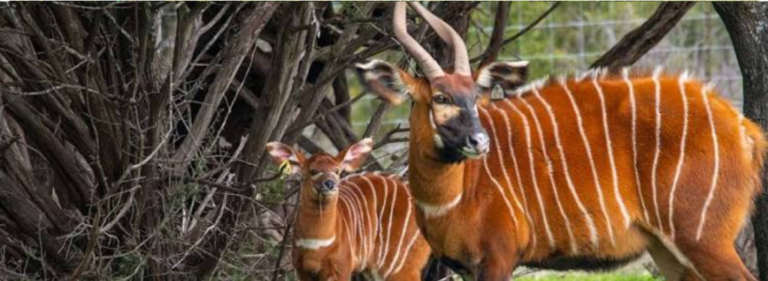
The mountain bongo lives in dense mountain forests in Kenya. Its remaining wild population is associated with forest areas around the Aberdare Range and Mount Kenya.
What makes this animal unique?
- It has a reddish-brown coat with white stripes along its sides.
- Both males and females have long, spiral-shaped horns.
- Its striped coat helps it blend into the forest.
- Habitat loss, hunting and other threats have reduced its wild population.
Mountain bongos are shy and spend much of their time in thick vegetation. Therefore, spotting one in the wild is difficult. Conservation programs aim to protect its habitat and support the survival of this rare antelope.
2. Northern White Rhino: One of Africa’s Most Endangered Animals
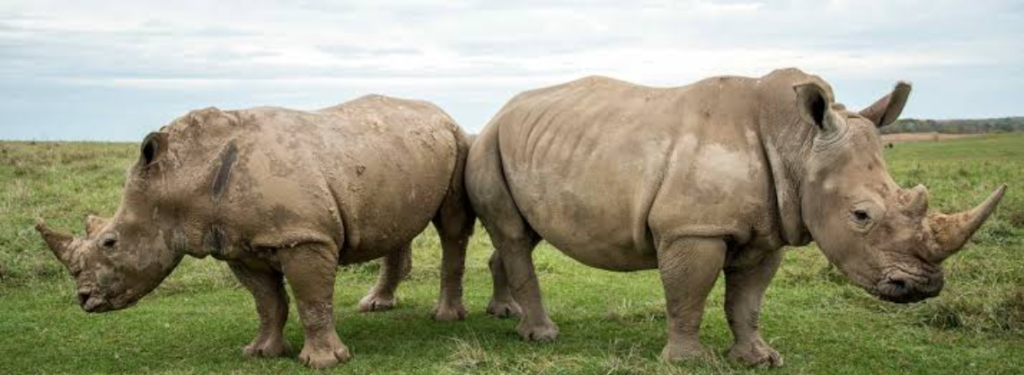
Where can you find it?
The last two known northern white rhinos live under protection at Ol Pejeta Conservancy in Kenya. Both are female, so natural reproduction is no longer possible.
What makes this animal unique?
- It is a subspecies of the white rhinoceros.
- It has a broad mouth suited to grazing on grass.
- It faces an extreme risk of extinction.
- Scientists are using advanced reproductive technology in efforts to preserve the subspecies.
The northern white rhino shows how quickly wildlife populations can decline. Poaching and habitat pressures contributed to its disappearance from the wild. Today, conservationists continue working to preserve its genetic material and explore possible ways to save it.
3. Hirola Antelope: Among the Rarest Animals in East Africa
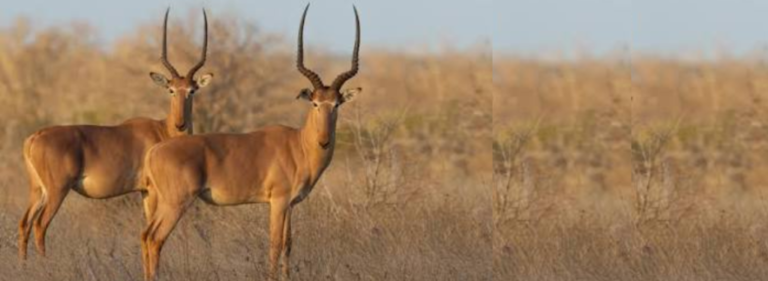
Where can you find it?
The hirola lives mainly in northeastern Kenya, near the Kenya–Somalia border. It prefers open grasslands and lightly wooded savannah.
What makes this animal unique?
- It has a sandy-coloured coat and distinctive white markings around its eyes.
- Both sexes have ringed horns that curve backwards.
- It is one of the world’s most threatened antelope species.
- Its survival depends on healthy grasslands and effective conservation.
Unlike more familiar antelopes, hirolas are rarely seen by visitors. Habitat changes, drought, disease and predation have contributed to their decline. Protecting their grazing areas is essential for the future of this remarkable species.
4. Rothschild’s Giraffe: Unique Wildlife in Kenya and Uganda
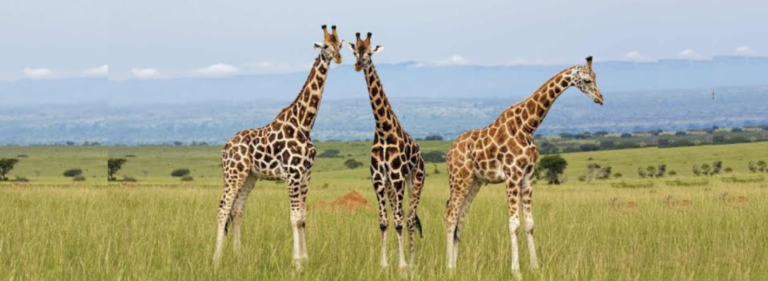
Where can you find it?
Rothschild’s giraffe occurs in protected areas in Kenya and Uganda. In Kenya, visitors may see it in places such as Lake Nakuru National Park and Ruma National Park.
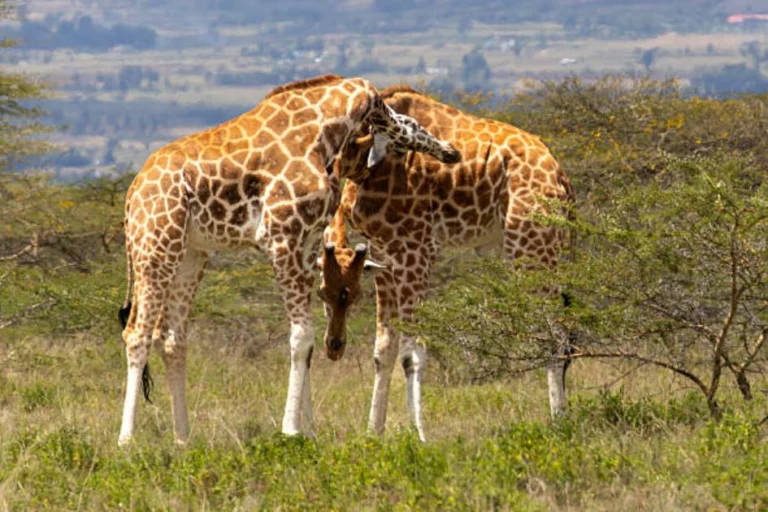
What makes this giraffe unique?
- Its lower legs often have fewer markings than those of other giraffe types.
- It has a pale coat with large, irregular patches.
- Like other giraffes, it uses its long neck to reach leaves high in trees.
- Conservation efforts have helped protect populations in selected reserves.
Rothschild’s giraffe is a memorable sight on a wildlife safari. Although conservation programs have improved its outlook, habitat protection remains important. Visitors can support responsible tourism by choosing operators that respect wildlife and protected areas.
5. Sitatunga: A Rare Antelope Adapted to Wetlands
Where can you find it?
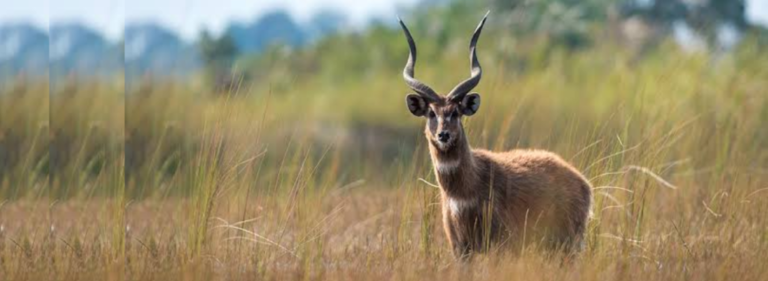
The sitatunga lives in swamps, marshes and areas with thick wetland vegetation across parts of East Africa that is Kenya, Tanzania and Uganda. In Kenya, Saiwa Swamp National Park is a well-known place to look for this elusive antelope.
What makes it unique?
- It has long, splayed hooves that help it move through soft, muddy ground.
- Its shaggy coat helps it blend into dense vegetation.
- Males have long, twisted horns, while females do not.
- It often retreats into water or thick reeds when disturbed.
Unlike many savannah antelopes, the sitatunga depends on wet habitats. As a result, draining wetlands and degrading water sources can threaten its survival. Protecting these habitats also benefits birds, fish and other wildlife.
6. Mountain Gorilla: Endangered Wildlife in East Africa’s Forests
Where can you find it?
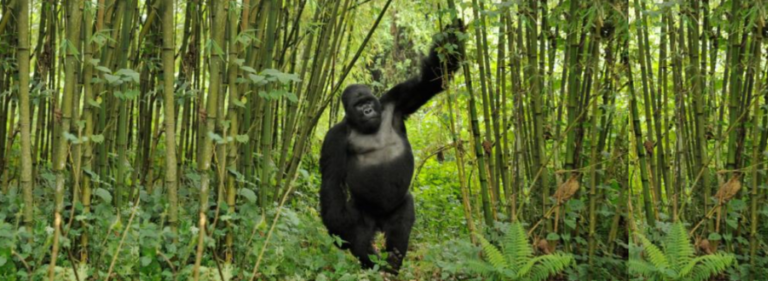
Mountain gorillas live in the forests of the Virunga mountain range, shared by Rwanda, Uganda and the Democratic Republic of the Congo, as well as Uganda’s Bwindi Impenetrable Forest.
What makes this animal unique?
- It has thick fur that helps it survive in cool mountain forests.
- It lives in family groups led by a dominant silverback.
- It feeds mainly on leaves, stems, shoots and other vegetation.
- It is endangered, although conservation work has helped its population recover.
Mountain gorilla trekking offers a rare opportunity to observe these primates in their natural habitat. However, strict visitor rules help reduce disturbance and the risk of disease transmission. Travellers should always follow their guides’ instructions and maintain the required distance.
7. Grevy’s Zebra: A Unique Zebra Found in Northern Kenya
Where can you find it?
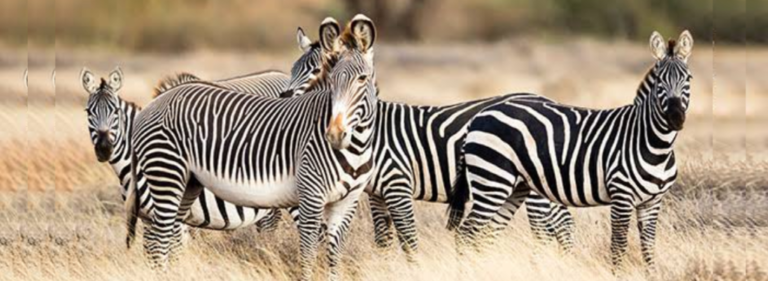
Grevy’s zebra lives mainly in northern Kenya and parts of Ethiopia. In Kenya, visitors may encounter it in conservation areas across Laikipia, Samburu and Marsabit.
What makes this zebra unique?
- It has narrower stripes than the plains zebra.
- Its large, rounded ears help distinguish it from other zebra species.
- It has a white belly and a more mule-like appearance.
- It faces threats from habitat loss, competition for water and other pressures.
Grevy’s zebra is the largest living wild zebra species. It can survive in dry environments, but access to water and suitable grazing areas remains important. Community-led conservation helps protect its habitat and reduce conflict with livestock owners.
8. Gerenuk: An Unusual Antelope of East Africa
Where can you find it?
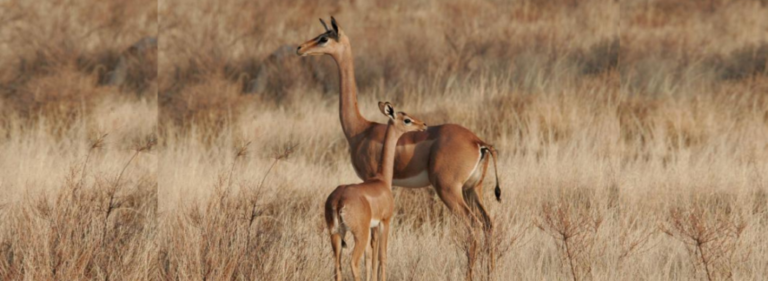
The gerenuk lives in dry bushland and open woodland in parts of East Africa. In Kenya, it occurs in arid and semi-arid regions, particularly in the north and northeast.
What makes this animal unique?
- It has an unusually long, slender neck.
- It can stand on its hind legs to reach leaves on tall shrubs.
- It mainly browses on leaves, shoots, flowers and buds.
- It can obtain much of its moisture from the plants it eats.
The gerenuk’s feeding behaviour helps it use food sources that many other antelopes cannot reach. Its distinctive shape also makes it one of the most recognisable unique animals in East Africa’s dry landscapes.
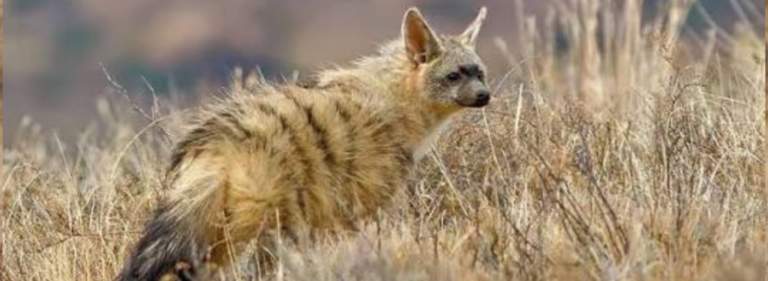
9. Aardwolf: A Unique African Mammal That Eats Termites
Where can you find it?
The aardwolf lives in open grasslands and scrub-land in parts of eastern Africa. It is mainly nocturnal, so visitors are more likely to find it active after dark.
What makes this mammal unique?
- Despite its name and appearance, it is related to hyenas.
- It mainly eats termites rather than large prey.
- Its long, sticky tongue helps it collect insects.
- It usually avoids direct confrontation with larger animals.
The aardwolf plays a role in controlling termite populations. Because it is active at night and often avoids people, it is less familiar to many safari visitors. However, it adds to the remarkable variety of wildlife found across the region.
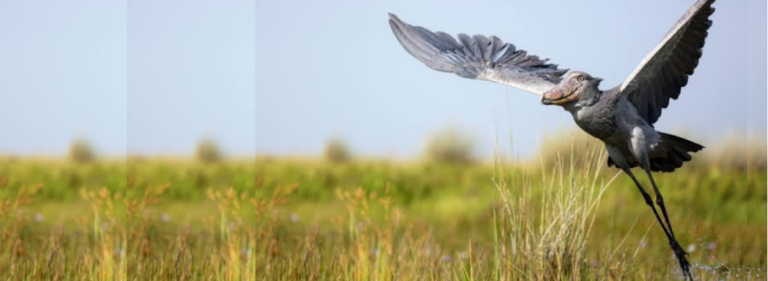
10. Shoebill Stork: A Prehistoric-Looking Bird of East Africa
Where can you find it?
The shoebill lives in tropical freshwater swamps and wetlands in parts of East and Central Africa. In East Africa, it can be found in Uganda’s Mabamba Swamp and other suitable wetland habitats.
What makes this bird unique?
- It has a massive, shoe-shaped bill that gives it its name.
- Its tall body, broad wings and piercing eyes create a prehistoric appearance.
- It hunts fish, lungfish and other aquatic animals in shallow water.
- It often remains still for long periods while waiting for prey.
The shoebill is one of Africa’s most distinctive birds. It usually moves slowly through wetlands and uses its powerful bill to catch prey. However, wetland drainage and habitat destruction threaten its survival. Protecting these habitats is essential for the future of this remarkable bird.
Why Protect Unique Animals in East Africa?
East Africa’s wildlife faces several challenges. Habitat loss, poaching, climate change, drought and human-wildlife conflict can threaten animal populations. Conservation helps protect species and the ecosystems they depend on. It also supports local communities through employment, education and responsible tourism.
Travellers can contribute by:
- Following park rules and keeping a safe distance from wildlife.
- Avoiding wildlife products made from endangered species.
- Supporting conservation areas and community-led tourism.
- Respecting local communities and natural habitats.
These actions help safeguard rare animals and preserve natural areas for future generations.
How to Experience East African Wildlife Responsibly
A safari is an excellent way to learn about the region’s wildlife. Kenya offers diverse experiences, from savannah game drives to forest walks and birdwatching.
For the best experience, consider these tips:
- Choose suitable destinations: Different species live in different habitats, so plan around the animals you hope to see.
- Travel with experienced guides: They can help you identify wildlife and understand animal behaviour.
- Be patient: Rare and nocturnal species may be difficult to spot.
- Respect wildlife: Never feed, chase or disturb animals for photographs.
Not every species is easy to see on a single safari. However, good planning and responsible guiding can make the experience more rewarding.
Discover Unique Animals in East Africa with Kibokoni Safaris
East Africa offers far more than its famous big game. From the elusive mountain bongo to the termite-eating aardwolf, these unique animals reveal the region’s remarkable biodiversity.
At Kibokoni Safaris, we help travellers explore East Africa’s wildlife and natural landscapes through thoughtfully planned safari experiences. Whether you are interested in wildlife viewing, birdwatching or discovering Kenya’s protected areas, our team can help you plan a memorable trip.
Ready to explore East Africa’s wildlife? Contact Kibokoni Safaris to start planning your safari.